





Introduction
Being told you might need a dental implant often raises many questions.
Some patients worry about surgery, others wonder how long the process takes, or whether implants will feel natural afterward.
These concerns are very common, especially for patients who have never had implant treatment before.
Dental implants are used to replace missing teeth in a way that looks, feels, and functions like a natural tooth. The process happens in stages and is usually more predictable than patients expect once everything is explained clearly.
If you are considering dental implants in Killeen, TX, this guide walks through what typically happens before, during, and after the procedure. It also explains how a trusted dentist helps patients stay informed and comfortable at every step.
Why Dental Implants Are the Go-to Option to Fix Your Smile
When a tooth is missing, it affects more than appearance. Chewing can feel uneven, nearby teeth may shift, and bone loss can occur over time.
Dental implants are commonly recommended because they:
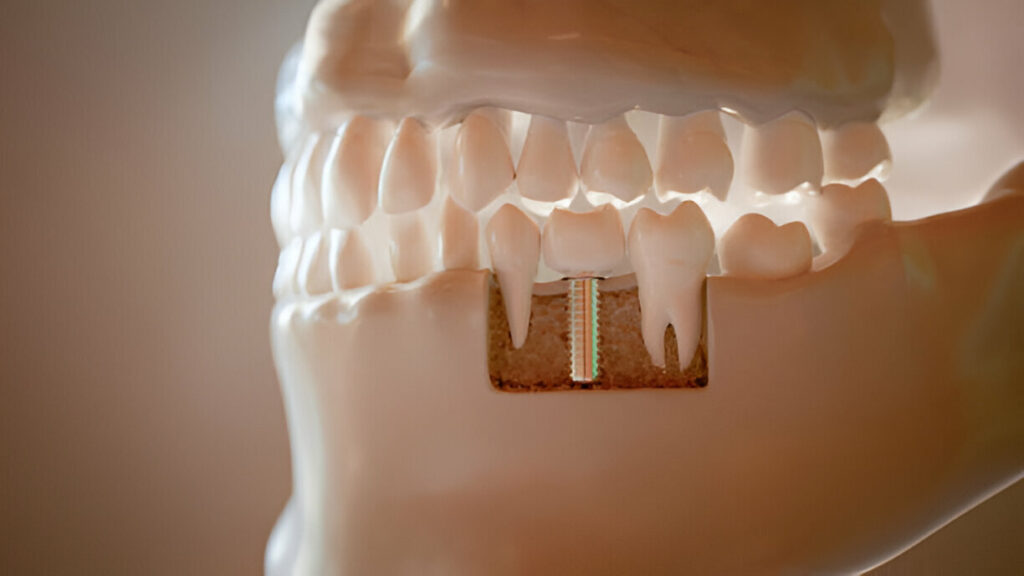
- Replace the tooth root as well as the visible tooth
- Help maintain jawbone strength
- Do not rely on nearby teeth for support
- Feel stable during eating and speaking
Some patients assume implants are only about cosmetics. In reality, implants also support long-term oral health. Most people do not realize this until it is explained in simple terms.
Who Is Usually a Good Candidate for Dental Implants
Dental implants work well for many patients, but not everyone is ready right away. Candidacy depends on overall oral health, bone support, and healing ability.
Implants may be recommended for patients who:
- Are missing one or more teeth
- Have healthy gums
- Have enough jawbone or can build it up
- Want a fixed replacement option
A dentist in Killeen, TX, evaluates each patient individually. Some patients need preparatory steps before implants can be placed. Others are ready sooner than expected. Hearing this information clearly often helps patients feel less overwhelmed.
The Initial Implant Consultation
Every implant process begins with a consultation. This visit is about planning, not pressure.
During the consultation, the dentist may:
- Examine your mouth and gums
- Take X-rays or 3D imaging
- Review medical and dental history
- Talk through goals and expectations
This appointment helps determine whether implants are the right option and what steps are needed. Nothing is rushed. Questions are encouraged.
This step may sound technical, but most patients describe it as calm and informative.
Preparing for the Implant Procedure
Before the implant is placed, the mouth needs to be healthy. If gum disease or infection is present, it must be treated first.
In some cases, additional preparation is needed, such as:
- Tooth extraction
- Bone support evaluation
- Healing time before placement
Not every patient needs these steps. When they are needed, your dentist explains why and what to expect next. Some patients feel nervous here. Others feel relieved knowing there is a clear plan. Both reactions are normal.
The Day of the Dental Implant Procedure
On the day of the procedure, comfort is a priority. Local anesthesia is used to numb the area fully. Patients usually feel pressure, not pain.
During the procedure:
- The dentist creates a small opening in the gum
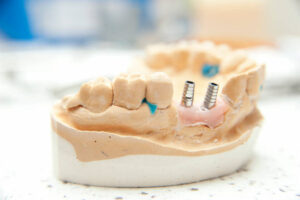
- The implant post is placed into the jawbone
- The area is carefully closed to support healing
The procedure often takes less time than patients expect. Many are surprised by how manageable it feels once it begins. This is usually the point when fear gives way to relief.
What Healing After Implant Placement Is Like
After the implant is placed, healing begins. The jawbone slowly bonds with the implant in a process called integration.
During early healing, patients may notice:
- Mild soreness
- Swelling that fades over a few days
- Minor discomfort at the site
These symptoms are usually temporary and manageable. Your dentist provides aftercare instructions to support healing. Most patients return to normal routines sooner than they expect, with a few short-term adjustments.
The Waiting Period Before the Final Tooth
Dental implants are not completed in one visit. After placement, the implant needs time to stabilize in the bone.
This waiting period allows:
- Strong bonding between bone and implant
- Reduced risk of movement
- Better long-term stability
Some patients worry that this part means nothing is happening. In reality, this is one of the most important stages. This is often when patients realize the process is methodical rather than rushed.
Placing the Final Restoration
Once healing is complete, the final tooth is placed. This may be a crown, bridge, or another restoration, depending on the case.
During this visit:
- The implant is uncovered if needed
- A connector is placed
- The custom tooth is attached
The final tooth is designed to match natural teeth in shape and color. Most patients say it feels natural very quickly. This is usually when the full benefit of the implant becomes clear.
Living With Dental Implants
After completion, dental implants function like natural teeth. Chewing, speaking, and smiling feel more balanced.
Patients are advised to:
- Brush and floss regularly
- Attend routine dental visits
- Avoid habits that stress the implant
With good care, implants can last many years. Regular checkups help ensure everything remains healthy. This is where long-term habits make a difference.
Why Local Implant Care in Killeen, TX Matters
Choosing local care for dental implants in Killeen, TX, makes the process easier. Implant treatment involves multiple visits and follow-ups.
Having a nearby dentist in Killeen, TX means:
- Easier scheduling
- Faster answers to questions
- Familiar faces throughout care
Patients often say this continuity helps them feel more confident throughout the process.
Common Questions Patients Ask About Dental Implants
Q. Does getting an implant hurt?
Most patients report pressure, not pain, due to effective anesthesia.
Q. How long does the implant process take?
The full process takes several months, allowing time for proper healing.
Q. Will the implant feel natural?
Yes. Most patients say implants feel very similar to natural teeth.
Q. Are implants hard to care for?
No. They are cared for much like natural teeth with brushing and flossing.
Conclusion
Dental implants offer a stable, long-term way to replace missing teeth. Understanding each step helps reduce anxiety and set realistic expectations. When guided by a trusted dental team, the implant process becomes clear and manageable.
If you are exploring dental implants in Killeen, TX, speaking with a knowledgeable professional at Killeen Dental Group can help you decide if implants are right for you and what to expect along the way.
Takeaway:
- Dental implants replace missing teeth, from the root to the crown.
- The process happens in stages for stability and comfort.
- Healing time is a normal and important part of treatment.
- Local dental care supports confidence and follow-up.