





Summary:
The gap in your smile isn’t just cosmetic. Every time you eat, the teeth on either side shift a little. Your jawbone where the tooth used to be? It’s slowly dissolving away. That tooth you lost two years ago is quietly causing problems you can’t see yet.
Here’s what most people don’t realize: tooth loss is progressive. Lose one, and the domino effect begins. Your bite changes. Adjacent teeth tilt and drift. The bone deteriorates. Fast forward five years, and that single missing tooth has compromised several others.
Dental implants in Killeen, TX, stop this cascade before it starts. They don’t just fill the gap. They replace the entire tooth structure, root included, preserving bone and preventing the chain reaction of dental problems that follow tooth loss.
Bridges and dentures have their place, but they’re fundamentally different solutions. They rest on top of your gums or attach to neighboring teeth. Implants integrate with your jawbone, functioning like the tooth that was originally there.
What we’ll cover:
- Why implants work differently from other replacement options
- The bone loss problem nobody warns you about
- What the actual timeline looks like from start to finish
- Cost realities and why implants often save money long-term
Let’s get into what makes dental implants the permanent solution they claim to be.
How Implants Actually Work
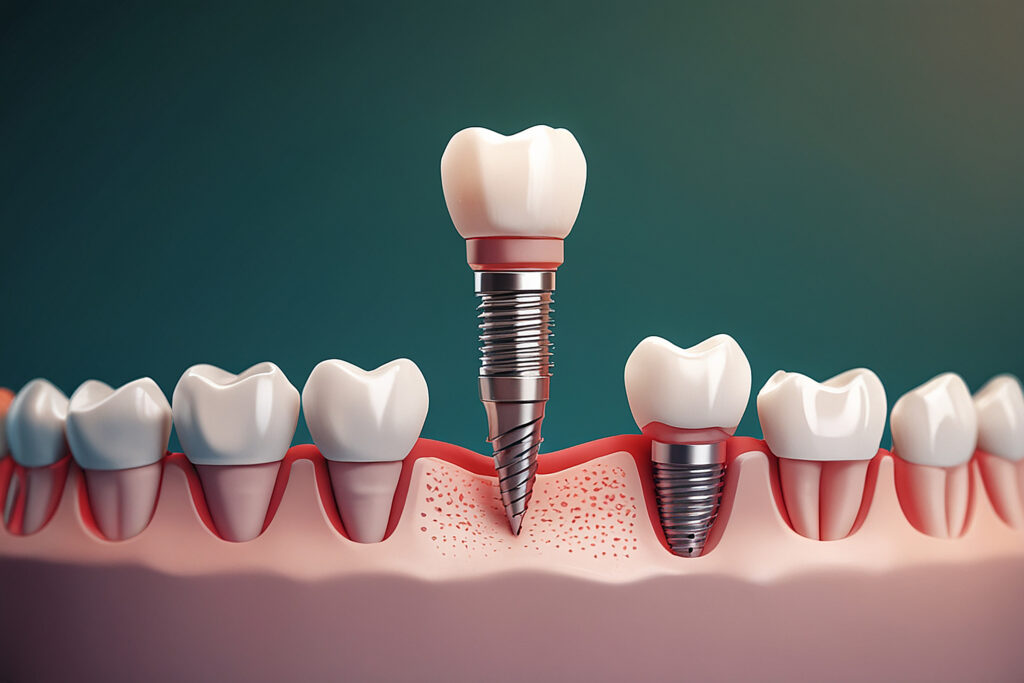
An implant isn’t a fake tooth. It’s a titanium post surgically placed into your jawbone where your tooth root used to be. Think of it as an artificial root.
Titanium has a unique property called osseointegration. Your bone actually grows around and fuses with the titanium. This process takes months but creates something remarkable: a stable foundation indistinguishable from a natural tooth root.
Once the implant has integrated with your bone, a connector piece called an abutment attaches to it. Then comes the crown, the visible part of the tooth that matches your natural teeth in color and shape.
The result functions exactly like your original tooth. You brush it normally. You floss around it. You forget it’s not real. Most importantly, it transfers biting force to your jawbone, helping maintain bone density just like a natural tooth root.
This is fundamentally different from bridges or dentures. Those sit on top. Implants become part of your jaw structure. That difference matters enormously for long-term outcomes.
The Timeline From Missing Tooth to Finished Implant
Let’s be realistic about how long this takes, because nobody likes surprises.
If you need an extraction, that happens first. Your jaw needs three to four months to heal before implant placement. Already missing the tooth? You skip this step.
Implant surgery itself is straightforward. A dentist in Killeen, TX numbs the area, makes a gum incision, drills a hole in your jawbone, and places the titanium post. The gum gets stitched closed. Surgery for a single implant typically takes an hour or two.
Then comes osseointegration, the waiting game. Three to six months for your bone to fuse with the implant. You can’t rush biology. Some people wear temporary teeth during this period. Others don’t need them, depending on which tooth is being replaced.
After integration, you return for abutment placement. Minor procedure, a couple of weeks healing. Finally, the crown gets made and attached. From start to finish, you’re looking at six months to a year total.
This timeline frustrates people who want instant results. But here’s the thing: you’re building something designed to last decades. The wait ensures success.
Implants vs. Your Other Options
Let’s compare implants, bridges, and dentures honestly.
Bridges
Traditional bridges require grinding down the teeth on either side of the gap. Those healthy teeth get reshaped to hold crowns that support the fake tooth in the middle. You’re sacrificing two good teeth to replace one missing tooth.
Bridges last 10 to 15 years before needing replacement. They don’t prevent bone loss under the missing tooth. And if one of the supporting teeth develops problems, the entire bridge fails.
Bridges cost less up front than implants. But replace them twice over 30 years, and the costs even out.
Dentures
Full or partial dentures rest on your gums. They slip. They require adhesives. They accelerate bone loss because they don’t provide the pressure stimulation that bone needs.
Eating becomes challenging. Certain foods are off limits. Dentures need to be replaced every five to seven years as your bone changes shape. Many people find them uncomfortable and embarrassing.
Implant-supported Dentures
Implant-supported dentures exist as a middle ground. The denture snaps onto several implants, providing stability without slipping. Much better than traditional dentures, though individual implants are still the gold standard for replacing a few teeth.
Implants
Higher upfront cost. Longer treatment time. But then you have a tooth that functions normally, preserves bone, and lasts 25 years or more with proper care. No impact on adjacent teeth. No dietary restrictions. No special cleaning routines beyond normal brushing and flossing.
What Success With Implants Looks Like
Implants have a 95 to 98 percent success rate when properly placed and cared for. That’s remarkably high for a surgical procedure.
- A seamless smile: Success means the implant integrates with the bone and functions normally for years. Most implants last 25 years or more. Many last for life.
- The crown needs replacement: The crown on top might eventually need replacement, just like natural teeth sometimes need new crowns. But the implant post itself rarely fails once osseointegration is complete.
Failure, when it happens, usually occurs early. The implant doesn’t integrate properly, or an infection develops before healing is complete. These issues typically show up within the first few months.
Making Your Decision
If you’re dealing with tooth loss, don’t wait years hoping for a miracle. The gap isn’t stable. It’s actively causing problems that worsen with time.
Talk to a dentist in Killeen, TX who regularly places implants. Get a thorough evaluation, including imaging, to assess your bone. Understand your options and what each will cost.
Ask about success rates, experience level, and what to expect during recovery. Good providers explain everything clearly and set realistic expectations.
Consider the long-term picture. Yes, implants require significant upfront investment. They also prevent bone loss, protect adjacent teeth, and function like natural teeth for decades. Compare that to the alternative of bridges that fail and dentures that slip. Connect with our experts at Killeen Dental Group to learn more about implants today!
Takeaway:
- Dental implants replace the entire tooth structure, including the root, preventing bone loss that occurs with missing teeth.
- The titanium post fuses with the jawbone through osseointegration over three to six months, creating a stable foundation.
- Unlike bridges or dentures, implants preserve bone and function exactly like natural teeth.
- Ready to give your smile a second chance?